How Much Does Empty Suitcase Weight Really Matter for Airlines?
In the world of travel gear, the empty suitcase weight is often a hot topic. For frequent flyers and casual travelers alike, the question becomes: how much does the Click here for more weight of your suitcase before packing actually affect your overall travel experience—and your airline fees?
With top luggage brands for travel airlines tightening their baggage allowances and charging more for overweights, understanding the real impact of your empty suitcase weight is crucial. Today, we'll take a deep dive into this topic, drawing insights from leading brands like Joe's Daily, Von Baer, and Rimowa. We'll also explore the direct-to-consumer approach championed by brands like Away, and examine the practical baggage claim realities that travelers face.
Why Empty Suitcase Weight Matters: The Airline Allowance Suitcase Dilemma
Most airlines have strict limits on checked baggage weight — commonly around 50 pounds (23 kilograms) for economy class. If your packed bag exceeds this, expect hefty overweight fees. So, knowing your suitcase’s empty weight can help maximize what you pack without crossing that limit.
Empty suitcase weight might seem trivial, but when airlines weigh your bag at the counter, every pound counts. A heavier suitcase reduces your packing capacity or bumps you into extra charges. But how do brands compare? What's actually in your suitcase's shell and how does this affect the weight?
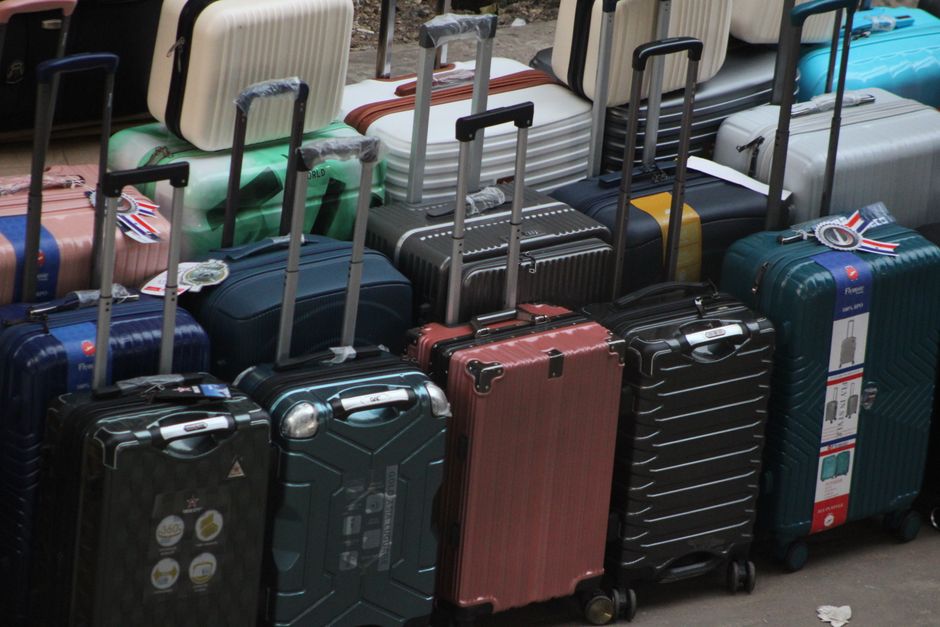
Aluminum vs Polycarbonate Weight: A Balanced Comparison
Luggage construction plays a huge role. Two popular materials dominate the market: aluminum and polycarbonate.
Material Average Empty Weight Durability Airport Carousel Behavior Aluminum (e.g. Rimowa) 8 - 12 lbs (3.6 - 5.4 kg) for medium size High; scratch-resistant, dent-prone Heavier impact; tends to stay put on carousel Polycarbonate (e.g. Joe’s Daily, Von Baer) 5 - 8 lbs (2.3 - 3.6 kg) for medium size Good; flexible, impact-absorbing Lighter weight; can bounce around more on carouselYou ever wonder why aluminum cases, like those from rimowa, are lauded for their “quiet luxury” aesthetic—minimal logos and premium metal shells. They feel substantial on the arms but are heavier than polycarbonate. This means less packing room before hitting the airline's limit.
Conversely, polycarbonate luggage (such as options from Joe’s Daily and Von Baer) often comes lighter and offers better impact absorption, especially useful in the harsh baggage claim environment. This often translates to fewer broken handles and wheels—a persistent issue I’ve tracked over 12 years of luggage reviews.
Quiet Luxury vs Loud Logos: What Champions Longevity?
In my experience handling countless warranty claims, I’ve observed that bags with subtle branding or “quiet luxury” designs tend to focus more on material quality and construction. Rimowa nails this ethos with their clean, metal-bodied luggage without gaudy logos. The tradeoff for sporty travelers: weight.
On the other hand, some direct-to-consumer brands like Away incorporate bold logos and vibrant colors, appealing to a younger demographic. Joe’s Daily and Von Baer find somewhere in between, combining understated elegance with a hint of branding. When it comes to lasting wear, this balance matters as flashy finishes often compromise subtle craftsmanship that protects hardware from wear.
Material Reality Check: Full-Grain Leather vs Bonded Leather
Many premium luggage brands promote leather handles or accents, often stating “genuine leather” or “full-grain leather.” Beware: these terms are frequently vague.
- Full-grain leather is durable, ages beautifully, and resists tearing—but it adds weight and cost.
- Bonded leather is mostly leftovers glued together with polyurethane—cheaper, less durable, and prone to peeling.
Von Baer and Joe’s Daily generally commit to full-grain leather details, enhancing handle comfort and longevity, whereas value-focused or mass-market brands may settle on bonded leather, resulting in premature handle failure and warranty claims.
Hardware Durability: What Breaks First?
From my retail floor insights, a suitcase’s weakest points tend to be hardware: wheels, handles, and zippers. Here’s a checklist of what breaks first and how weight influences this:
- Wheels: Heavier suitcases strain wheels, especially if they’re small or cheaply made. Polycarbonate cases typically have sturdier spinner wheels with better bearings.
- Telescoping Handles: Aluminum frames support heavier shells better, but can bend or jam under heavy load. Polycarbonate cases usually have reinforced handles engineered for lightweight shells.
- Zippers: Quality zippers and pulls make or break traveler experience. Heavy luggage requires robust zippers; brands like Rimowa use metal components that rarely fail.
Brands like Joe’s Daily invest in seamless zippers and reinforced channels that reduce stiction and wear—something I note repeatedly in warranty return trends.
The Airline Baggage Claim Reality Check
We all dream of a smooth airport carousel experience, but luggage weight—empty or full—affects this hugely. Heavy aluminum cases, for example, can damage carousel belts or cause dents when they drop off conveyors, yet they stay put when rolling across airport floors.
On the flip side, lightweight polycarbonate suitcases sometimes bounce unpredictably on gritty carousels, increasing the risk of wheel damage or scuffed shells. When you combine this with frequent handling by airline staff, luggage design needs to factor durability in every component.
For travelers using direct-to-consumer brands like Away, the initial lightweight promise is appealing, but some models have encountered durability complaints after prolonged use in harsh claim environments.
Final Thoughts: Balancing Empty Suitcase Weight and Durability
Here’s the bottom line: your empty suitcase weight is a strategic detail in managing airline baggage fees, packing space, and durability expectations. There’s no one-size-fits-all; your choice depends on your travel habits, airline regulations, and aesthetic preferences.
- If you prioritize quiet luxury, an aluminum Rimowa offers unmatched style and robustness but at the cost of packing capacity due to its weight.
- If you want lightweight and flexible, Joe’s Daily and Von Baer’s polycarbonate options provide good impact resistance and better packing allowance.
- Consider leather accents carefully: full-grain leather enhances longevity and feels premium, while bonded leather can prematurely degrade.
- Check hardware quality: wheels, handles, and zippers need to be proven durable. Luggage that weighs less stresses these components less and tends to last longer.
Don’t just trust marketing jargon; always weigh your empty suitcase at home before flying, and factor in the airline allowance suitcase limits specific to your carrier. Remember, that beautiful shell still has to survive baggage claim—and that’s where many suitcases fail first.

Safe travels, and may your suitcase weight always tip in your favor!